
Governance, Risk and Compliance Software: GRC Features, Use Cases, and Buying Guide
Governance risk and compliance software connects policies, risks, controls, compliance requirements, audits, issues, and evidence so organizations can manage GRC work through a shared framework. For organizations managing multiple regulations, control frameworks, audits, or enterprise risks, the real value comes from connecting records and decisions that otherwise live in spreadsheets, email, documents, and separate applications. […]
Project Portfolio Management Software: How PPM Helps Prioritize Projects and Resources
Project portfolio management software helps organizations evaluate, prioritize, fund, schedule, and monitor multiple projects as a portfolio rather than managing every project in isolation. For organizations with more proposed projects than available budget, people, or capacity, the important question is not whether a product has many modules. It is whether the system can represent real […]
MRP Software: How Material Requirements Planning Works and What to Look For
MRP software calculates what materials are required, how much is needed, and when they should be available using demand, inventory, bills of materials, lead times, and planned production. For manufacturers trying to reduce material shortages, excess stock, and last-minute purchasing, the important question is not whether a product has many modules. It is whether the […]
Human Resource Management Software: 10 Core Capabilities and Buying Guide
Human resource management software helps HR teams operate employee administration, requests, approvals, attendance, performance, documents, and reporting through consistent processes. For businesses that need stronger operational control across recurring HR work, the important question is not whether a product has many modules. It is whether the system can represent real data, decisions, exceptions, approvals, and […]
HRIS Systems: What They Do, Core Features, and How to Choose One
HRIS systems maintain employee information and standardize administrative HR processes around records, policies, absence, documents, reporting, and self-service. For organizations that need a dependable employee system of record, the important question is not whether a product has many modules. It is whether the system can represent real data, decisions, exceptions, approvals, and reporting without forcing […]
Human Resource Software: Types, Features, and How to Choose the Right HR System
Human resource software centralizes employee records and recurring HR processes such as onboarding, documents, leave, attendance, performance, requests, and reporting. For small and mid-sized businesses replacing spreadsheets and disconnected HR tools, the important question is not whether a product has many modules. It is whether the system can represent real data, decisions, exceptions, approvals, and […]
Human Capital Management Software: A Practical Guide to HCM Systems
Human capital management software connects core HR records with talent, performance, workforce planning, compensation, learning, and analytics across the employee lifecycle. For growing and mid-sized organizations that need more than basic employee administration, the value is not simply putting existing forms on a screen. A useful HCM system creates a reliable source of employee information, […]
Time Management Tools: 5 Types and 10 Features to Choose the Right One
Time management tools help people decide what to work on, when to work on it, and how much time different tasks actually require. For a business, the right tool does more than create a to-do list. It connects priorities, deadlines, calendars, workload, and time data so employees can plan realistic days and managers can spot […]

Document Control: 10 Features for Better File Management and Version Control
Document control is the process of organizing, reviewing, approving, distributing, and tracking business documents so teams can use the right information at the right time. A strong system reduces confusion around file versions, ownership, approvals, and access. It also gives businesses a clearer way to manage policies, procedures, contracts, drawings, forms, and other important records. […]
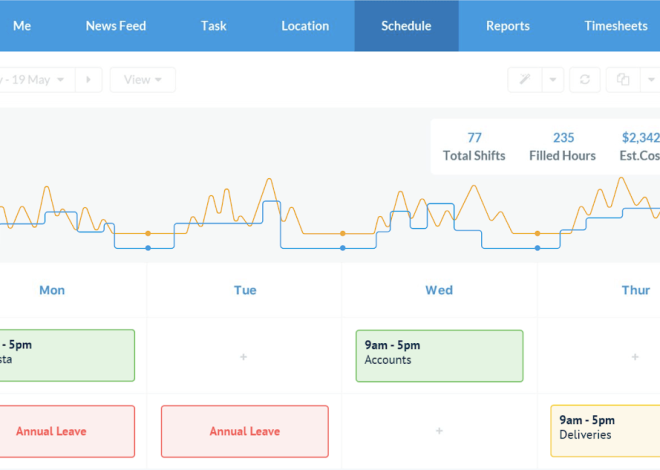
Workplace Scheduling: 9 Best Practices for Smarter Employee Scheduling
Workplace scheduling is the process of planning when employees work, assigning shifts, managing availability, and making sure the right people are available when the business needs them. A clear schedule helps teams understand their responsibilities, reduces coverage gaps, and gives managers better control over daily operations. However, workplace scheduling becomes difficult when managers rely on […]