
General
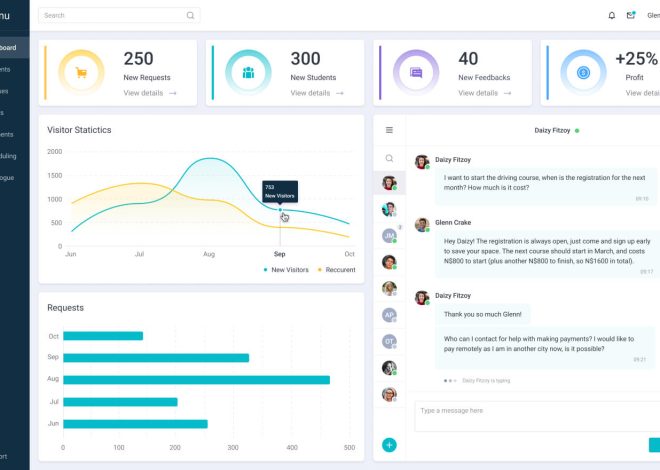
Complaint Management System: 9 Key Features for Faster, Smarter Complaint Resolution
A complaint management system gives businesses a structured way to receive, track, investigate, resolve, and analyze customer complaints. Instead of relying on scattered emails, spreadsheets, phone notes, or manual follow-ups, teams can manage each complaint through a clear workflow. A well-designed system also helps businesses spot recurring problems and use customer feedback to improve products, […]
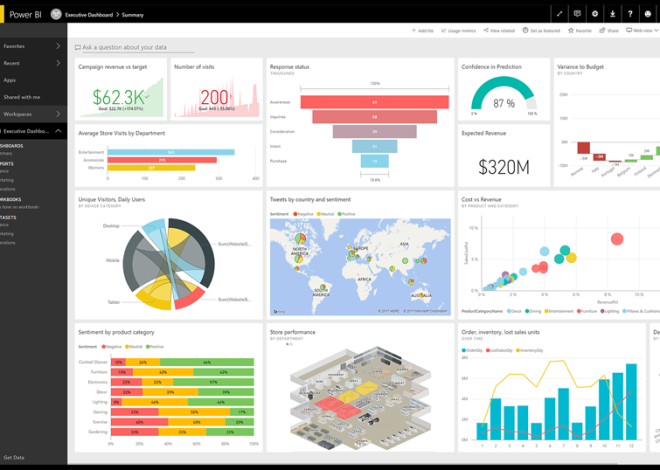
Manufacturing Management System: 8 Key Features for Smarter Production
A manufacturing management system gives manufacturers one place to plan production, track materials, manage work orders, monitor quality, and understand what is happening on the shop floor. For businesses that still rely on spreadsheets, disconnected tools, or manual updates, the right system can connect production and inventory data so teams can make faster decisions. A […]
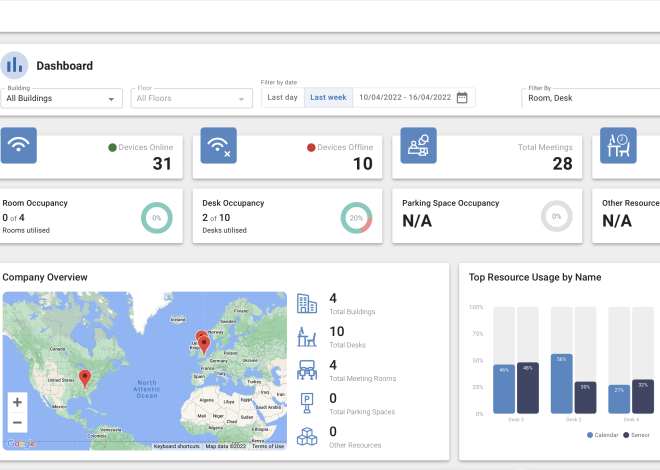
Visitor Management System: 9 Key Features for Safer, Smarter Workplaces
A visitor management system helps businesses control and track who enters their workplace, office, facility, or site. Instead of relying on paper logbooks and manual reception processes, a digital system can handle visitor registration, check-in, host notifications, badges, access rules, and visitor records in one place. As a result, businesses can create a more secure […]
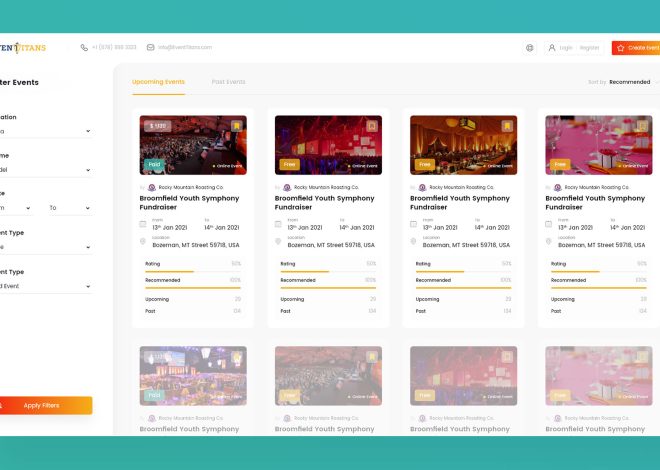
Event Management System: 11 Key Features for Smarter Event Planning
Planning an event involves far more than choosing a venue and setting a date. An event management system brings planning, registration, scheduling, attendee data, communication, payments, and reporting into one organized workflow. As a result, event teams can reduce manual work, keep information in one place, and manage each stage of an event more consistently. […]
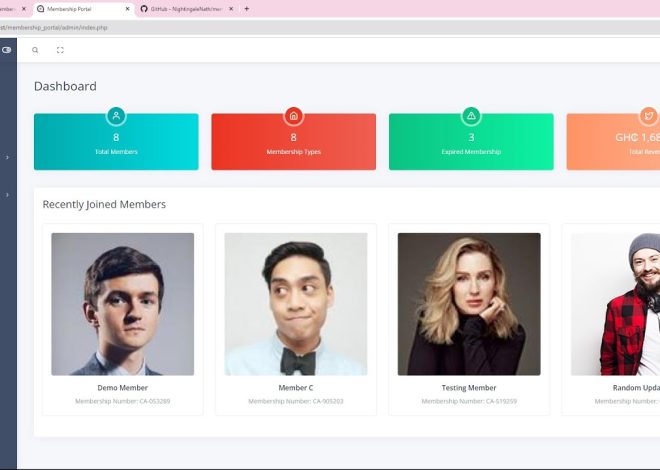
Membership Management System: 10 Essential Features for Better Member Management
A Membership Management System helps organizations manage member records, memberships, renewals, payments, communication, and engagement from one central platform. Instead of relying on spreadsheets, disconnected tools, or manual processes, organizations can use a structured system to keep membership data organized and make everyday administration easier. For clubs, associations, nonprofits, gyms, professional organizations, and other member-based […]
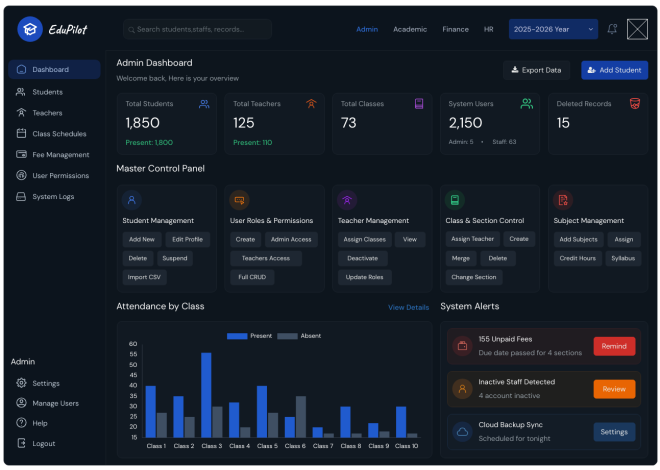
Subscription Management Software: 9 Features to Simplify Recurring Revenue
Subscription management software helps businesses manage recurring customer relationships, from plan selection and billing to renewals, upgrades, cancellations, and payment issues. Instead of handling each subscription manually, businesses can use a centralized system to automate routine tasks, keep customer records organized, and gain better visibility into recurring revenue. As subscription models become more common across […]
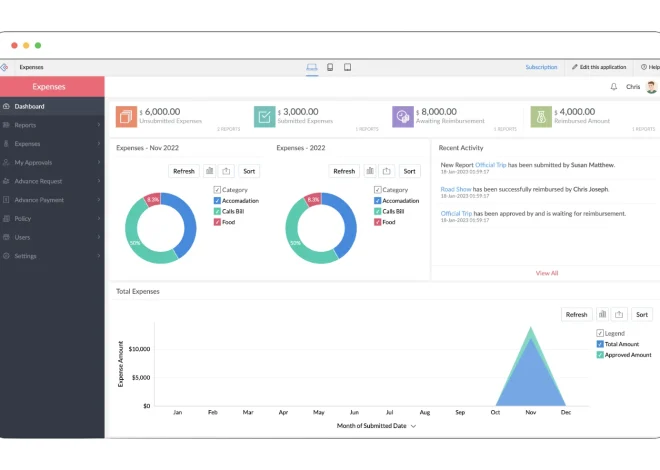
10 Expense Management System Features That Improve Financial Control
An expense management system helps businesses record, organize, approve, and monitor company spending from one central platform. Instead of relying on spreadsheets, email approvals, paper receipts, and scattered financial records, teams can use one system to manage expenses from submission through reporting. This matters because expense data affects budgets, cash flow, reimbursements, financial reporting, and […]
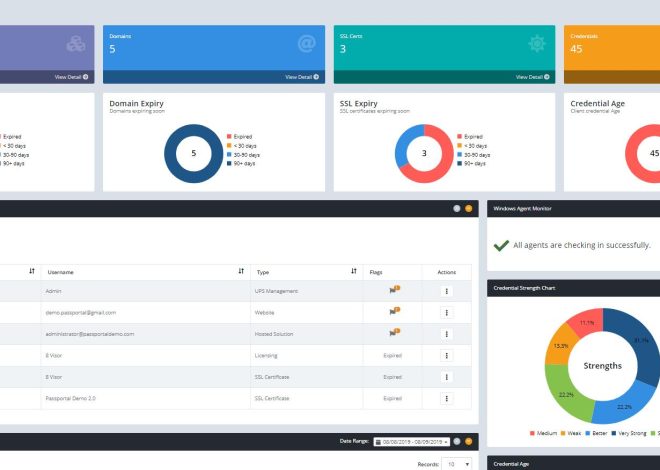
Records Management System: 9 Features That Keep Business Records Organized and Secure
A records management system helps organizations organize, protect, retrieve, retain, and dispose of business records throughout their lifecycle. Instead of relying on scattered folders, email attachments, paper files, or shared drives, businesses can use a structured system to keep important information accessible and controlled. Effective records management matters because business records often support daily decisions, […]
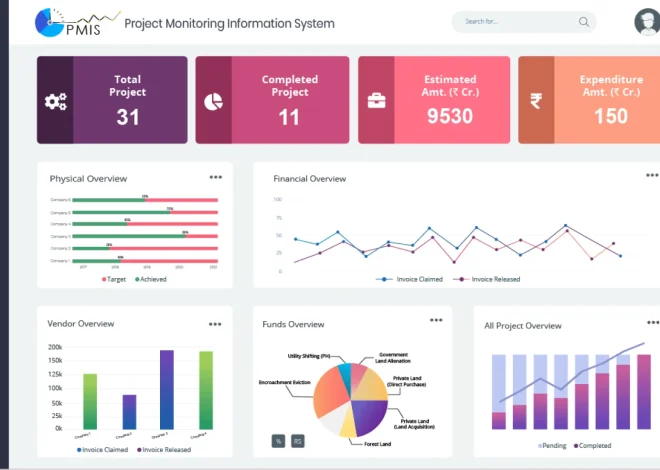
7 Information Management System Features That Improve Business Data and Workflow Control
An information management system helps businesses collect, organize, store, access, and control information from one structured environment. Instead of relying on scattered spreadsheets, email attachments, paper files, and disconnected applications, teams can use a central system to manage information throughout its useful life. This makes information easier to find, update, share, and protect. As businesses […]
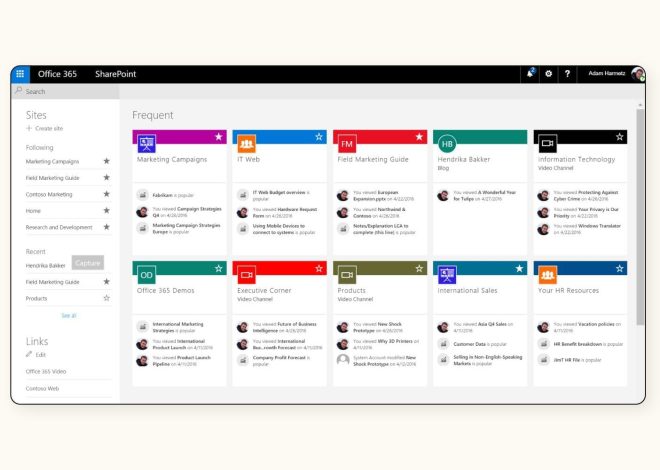
Knowledge Management System: 9 Key Features, Benefits, and Best Practices
A knowledge management system helps businesses capture, organize, store, and share the information employees need to do their work. Instead of keeping important knowledge across scattered files, emails, chats, and individual employees, a knowledge management system creates a more structured way to find and reuse valuable information. This matters because teams often lose time searching […]